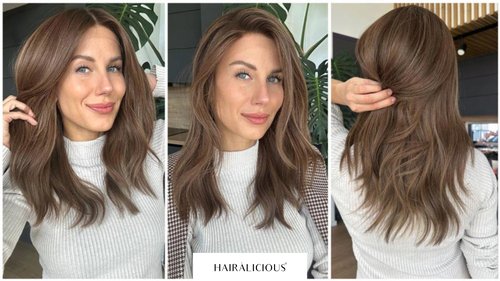
Luxury in the wig world is often defined by details that are not immediately visible. Many wigs may look similar at first glance, yet feel completely different once worn. Texture, softness, and natural movement are qualities that only reveal themselves over time. This is especially true when it comes to sourcing the hair itself. Not all human hair used in wigs is equal, and some types are significantly harder to obtain than others. This is where European hair wigs stand apart. Their rarity is not a marketing claim, but a direct result of limited supply, strict selection, and exceptional standards that few hair sources can meet.
Why European hair is so limited
European hair is naturally finer, softer, and lighter than most other hair types available on the global market. Only a small percentage of donors meet the criteria required for premium wig production, such as consistent texture, healthy cuticles, and sufficient length. In addition, ethical sourcing and quality control further reduce availability. Unlike mass-sourced hair, European hair cannot be collected in large volumes without compromising standards. This scarcity is one of the main reasons European hair wigs are produced in smaller quantities and are considered exclusive within the industry.
Hair characteristics that set European hair apart
What makes European hair so desirable is its natural structure. The strands are typically thinner, smoother, and straighter, with a soft, natural sheen rather than a heavy shine. This allows European hair wigs to drape effortlessly and move in a way that closely resembles natural, untreated hair. Because the hair is not overly coarse or thick, it feels lighter on the head and more comfortable for extended wear. These characteristics are difficult to replicate with other hair types, even when advanced processing techniques are used.
The role of strict selection and processing
Rarity is not only about where the hair comes from, but also about how much of it is actually usable. European hair must go through meticulous selection to ensure uniformity, intact cuticles, and minimal damage. Many batches are rejected before production even begins. When used in European hair wigs, the hair is often double-drawn and kept in Remy condition, meaning all cuticles face the same direction. This level of precision reduces tangling and preserves smoothness, but it also limits supply further, reinforcing the exclusivity of the final product.
Why rarity affects price and value
Because European hair is scarce and difficult to source, it naturally affects pricing. However, the higher cost of European hair wigs reflects more than rarity alone. It represents consistency, longevity, and an elevated wearing experience. Cheaper alternatives may imitate the look initially, but often lack the same durability and feel over time. For many women, investing in a rare hair type means fewer replacements, better comfort, and a wig that continues to look refined even after long-term use.
Who benefits most from this level of quality
Not every wearer needs such a rare material, but for those who value softness, realism, and understated elegance, European hair wigs make a noticeable difference. They are particularly well suited for women who prefer straight or naturally smooth styles and want a wig that blends seamlessly into everyday life. The rarity of the hair ensures that each piece feels carefully crafted rather than mass-produced, which is often an important factor for experienced wig wearers.
Final thoughts
The rarity behind European hair wigs is not accidental. It is the result of limited natural supply, rigorous selection, and uncompromising quality standards. This scarcity matters because it directly shapes how the wig looks, feels, and performs over time. For women seeking a truly refined and natural wig experience, rarity is not a drawback, but a defining advantage that sets European hair apart.